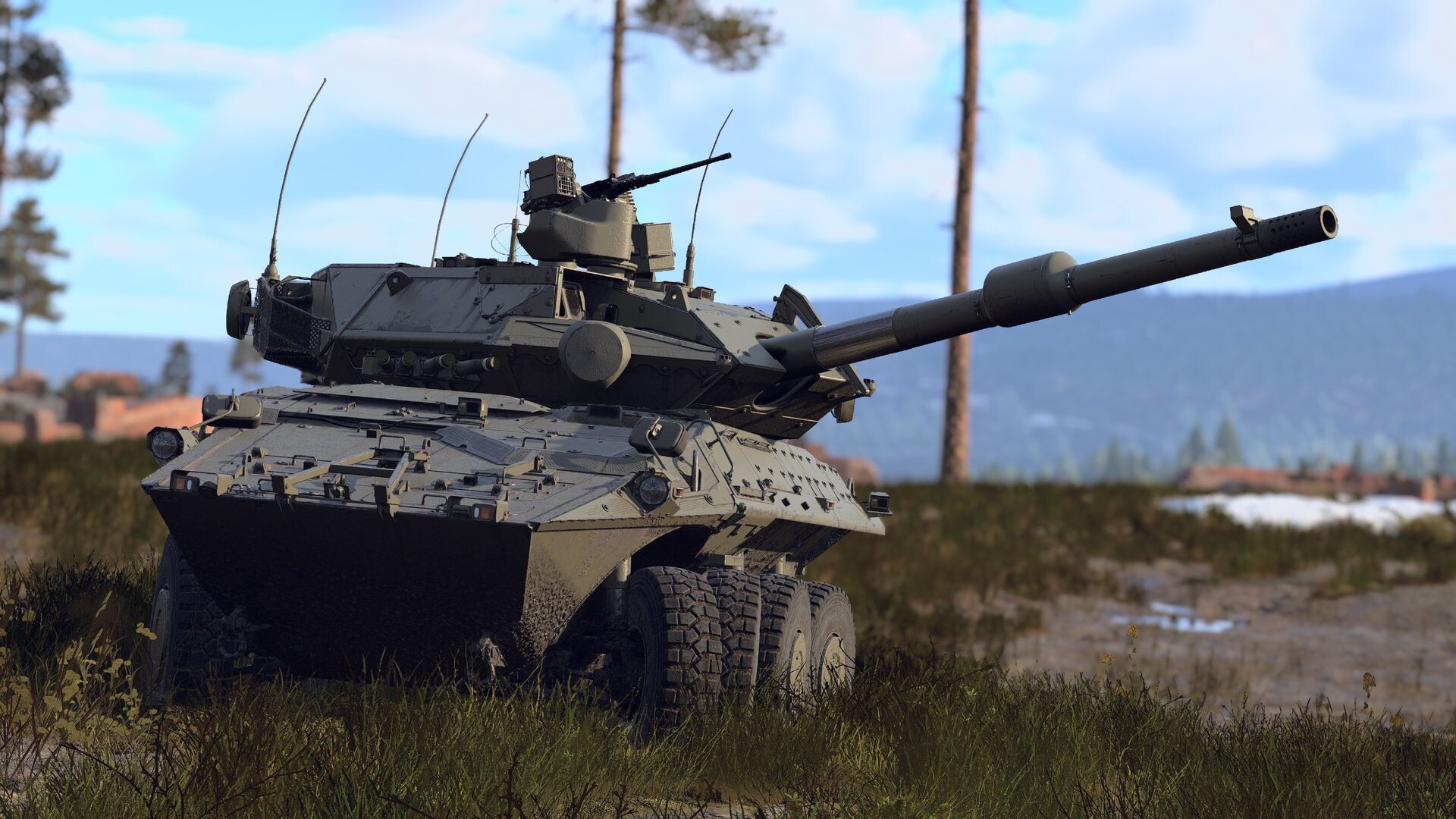

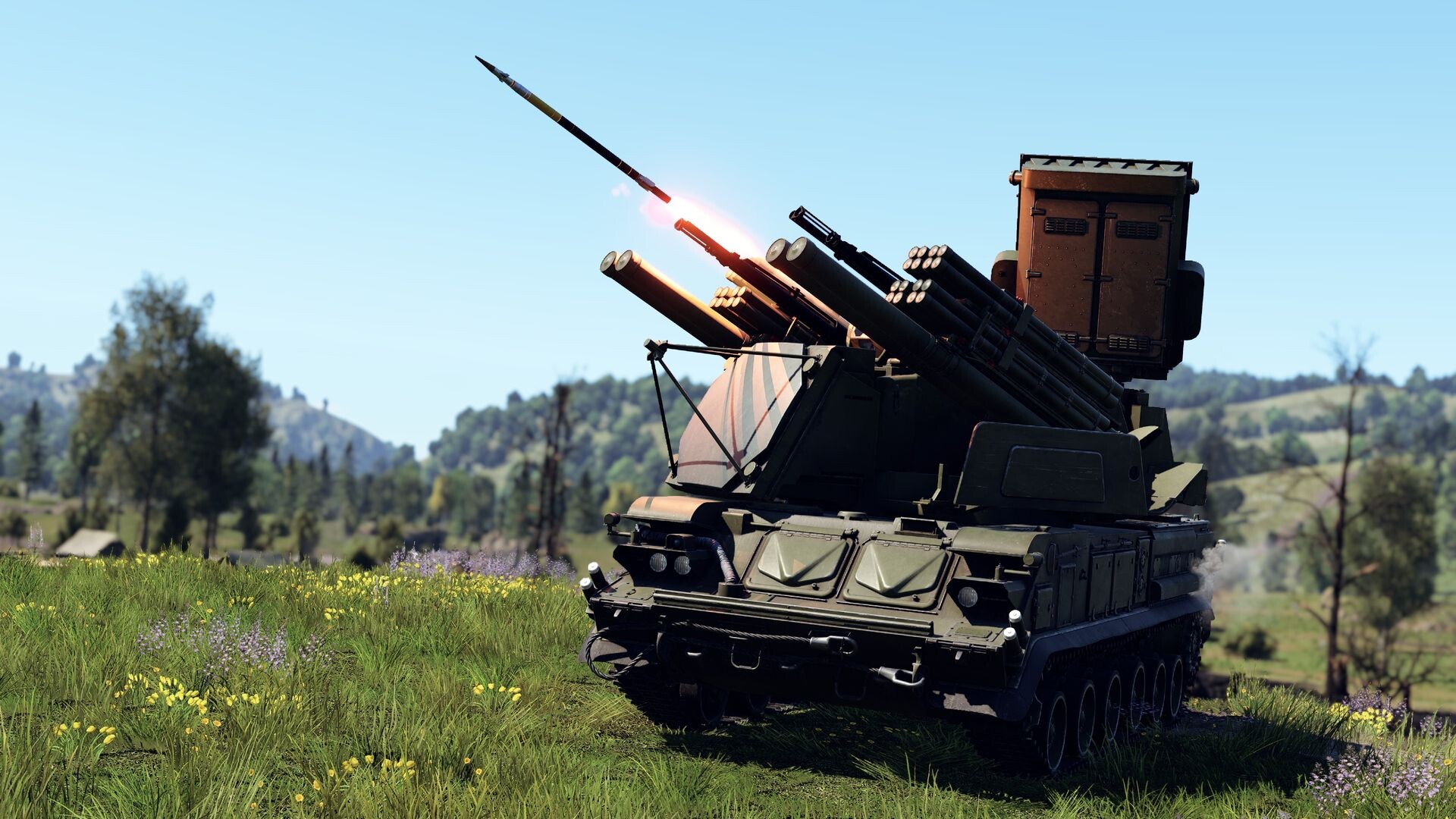
War Thunder is Gaijin Entertainment's free-to-play vehicular combat game simulating air, ground, and naval warfare from WWII through modern era. With over 2,500 vehicles across 10 nations, the sheer breadth of content is staggering. The game spans three combat modes (Arcade, Realistic, Simulator) each offering fundamentally different experiences from casual to full simulation. The tech tree grind is notoriously long but each vehicle researched feels like a genuine achievement. War Thunder's damage model is the most detailed in gaming. Individual crew members, modules, and ammunition are modeled and can be damaged independently. The combined arms mode where tanks, planes, and helicopters fight simultaneously is unique in the genre.
Combat in War Thunder rewards knowledge over reflexes. New here? Start with our beginner's guide for the basics.
Core Combat Mechanics
1. battle rating matchmaking
Each vehicle has a Battle Rating (BR) determining its matchmaking bracket. You face vehicles within 1.0 BR of your highest-BR vehicle in your lineup. A BR 5.7 lineup fights 4.7-6.7. Mixing high-BR and low-BR vehicles means your low-BR vehicles face opponents they can't compete with. Build lineups with consistent BRs.
2. tech tree progression
Each nation has separate air, ground, and naval tech trees with vehicles unlocked sequentially. Researching a vehicle requires earning Research Points (RP) by playing vehicles of the same nation. Premium vehicles and premium account time accelerate research. The grind from WWII to modern vehicles takes hundreds of hours per tree.
3. crew skills
Each vehicle slot has a crew with skills (reload speed, repair speed, g-tolerance for pilots, vitality). Crew skills improve through crew points earned by playing. Maxing crew skills takes longer than researching vehicles. Key skills: Repair Speed and Reload Speed for tanks, G-Tolerance and Stamina for planes.
4. vehicle modification
Each vehicle has modification upgrades (engine, ammunition types, armor, weapons) unlocked through playing that specific vehicle. Stock vehicles perform significantly worse than fully modified ones. Prioritize ammunition types (APHE, HEAT, APFSDS) and engine modifications for the biggest performance improvements.
5. combined arms battles
Ground Realistic Battles feature tanks, planes, and helicopters simultaneously. Earning enough spawn points in a tank lets you spawn a plane for close air support or air superiority. The interaction between ground and air creates emergent gameplay not found in any other game.
How These Mechanics Combine
Understanding how mechanics interact is where real optimization happens:
battle rating matchmaking + tech tree progression
Each vehicle has a Battle Rating (BR) determining its matchmaking bracket. When combined with tech tree progression, each nation has separate air, ground, and naval tech trees with vehicles unlocked sequentially. This combination is the core of every effective build.
crew skills + vehicle modification
Each vehicle slot has a crew with skills (reload speed, repair speed, g-tolerance for pilots, vitality). Paired with vehicle modification, each vehicle has modification upgrades (engine, ammunition types, armor, weapons) unlocked through playing that specific vehicle. This is why the tier list favors builds that leverage both.
combined arms battles as a Multiplier
Ground Realistic Battles feature tanks, planes, and helicopters simultaneously. Earning enough spawn points in a tank lets you spawn a plane for close air support or air superiority. The interaction between ground and air creates emergent gameplay not found in any other game. The better your combined arms battles optimization, the more your other mechanics pay off.
Combat by Build
Each build approaches combat differently:
Fighter Pilot (S-Tier)
Combat approach: Climb to altitude at match start, dive on enemies below you with energy advantage, extend and re-climb after attacks. Key equipment: T-34-85 Primary mechanic: battle rating matchmaking
Air superiority fighters are the most impactful aircraft role. Full setup in our builds guide.
Bomber Pilot (C-Tier)
Combat approach: Climb to safe altitude, drop bombs on bases or ground targets, use defensive turrets against intercepting fighters. Key equipment: P-51D Mustang Primary mechanic: tech tree progression
Bombers deliver heavy ordnance to destroy bases and ground targets. Full setup in our builds guide.
Tank Commander (S-Tier)
Combat approach: Use terrain for hull-down positions, aim for enemy weak points with proper ammunition, angle armor against incoming fire. Key equipment: Tiger H1 Primary mechanic: crew skills
Ground forces are the backbone of combined arms battles. Full setup in our builds guide.
Naval Captain (B-Tier)
Combat approach: Engage at medium range, use HE ammunition against crew compartments, manage fire and flooding damage control. Key equipment: Leopard 2A6 Primary mechanic: vehicle modification
Naval battles feature destroyers, cruisers, and battleships in combined naval engagements. Full setup in our builds guide.
Helicopter Pilot (A-Tier)
Combat approach: Spawn helicopters after earning spawn points in a tank, use terrain to mask your approach, fire ATGMs from maximum range. Key equipment: F-16A Primary mechanic: combined arms battles
Helicopters in Ground RB provide guided missile attacks against tanks. Full setup in our builds guide.
Advanced Combat Techniques
Damage Optimization
- Match your equipment to your build's stat priorities
- Exploit battle rating matchmaking for maximum damage windows
- Chain tech tree progression and crew skills for combo damage
- Use vehicle modification to create openings
Survivability
- Learn enemy patterns before committing to attacks
- Stick to one nation's ground or air tree until you reach your desired BR range. Splitting research across multiple nations spreads your progress too thin and leaves you with weak lineups.
- Position using battle rating matchmaking to control spacing
- Save defensive options for guaranteed survival, not comfort
Boss Combat
Bosses test your understanding of every mechanic.
- Phase awareness: Most bosses change behavior at health thresholds
- Patience over aggression: One extra hit per opening beats dying to greed
- Build preparation: Swap gear and equipment for specific fights when needed
Common Combat Mistakes
- Button mashing: Committed attacks have recovery frames.
- Ignoring tech tree progression: This mechanic exists for a reason.
- Wrong equipment for the situation: Check our weapons guide for situational picks.
- Not learning from deaths: Every death teaches something.
- Overcommitting: Trading hits works in Eastern Europe but will get you killed in Kursk.
Similar Games
If you enjoy War Thunder, check out these related guides:
- Stardew Valley Combat Guide: simulation game with similar mechanics
- Satisfactory Combat Guide: simulation game with similar mechanics